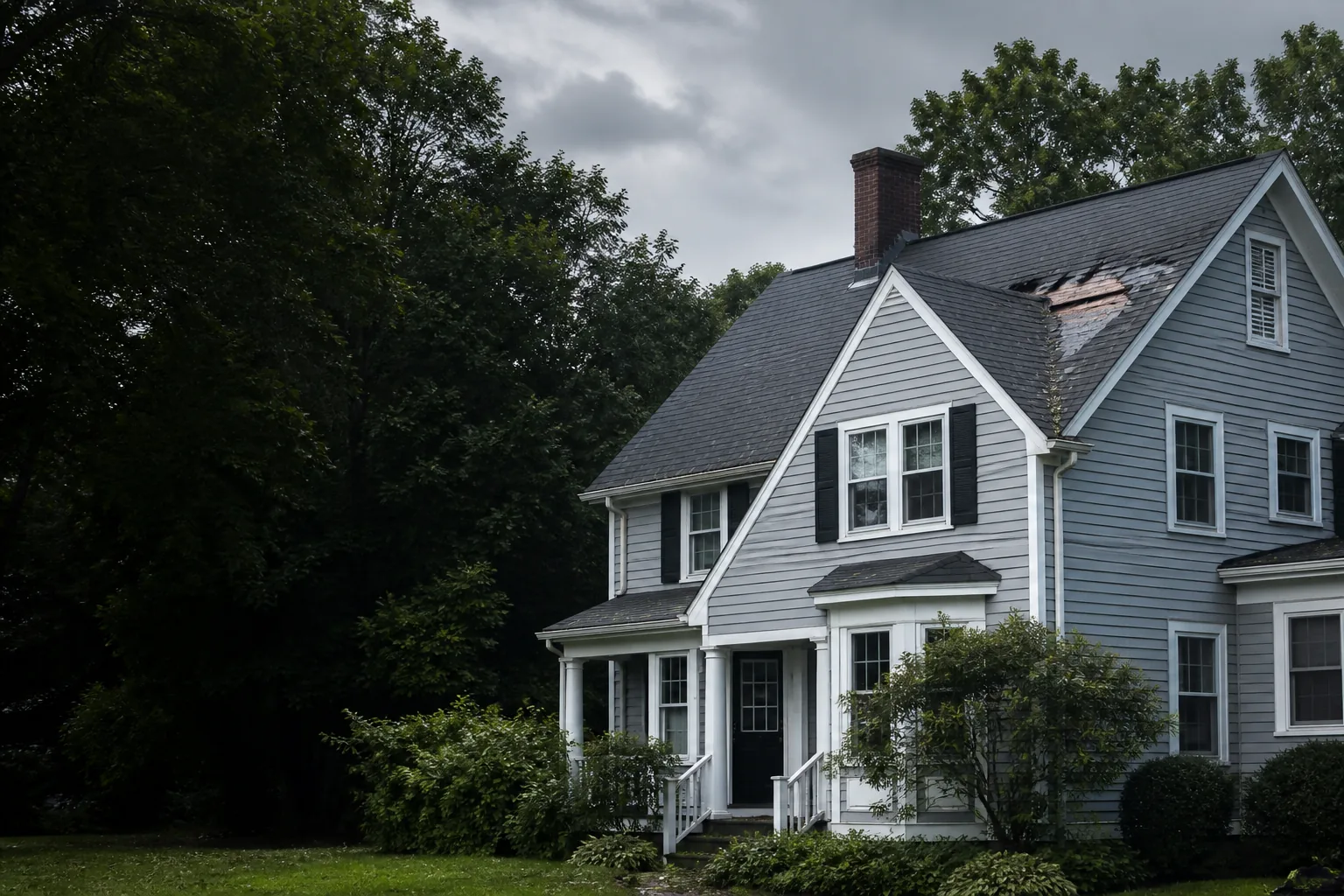
Structural Conditions
Framing, roofing, walls, floors, windows, mechanical systems, and heat-related damage.
Connecticut Fire Claim Help
We document fire, smoke, soot, contents, structural conditions, temporary work, and repair-scope questions for your property claim.
Connecticut Fire Claim Help
Heat, smoke, soot, water, and fire-suppression work can affect rooms and systems far from the visible origin. A careful inspection should separate each damage mechanism and record how it affected the building and contents.
We organize the physical evidence, inventories, temporary-repair records, cleaning evaluations, and rebuilding estimates so the claim can be reviewed as a complete loss rather than a short list of visibly burned items.
Claim Documentation
Framing, roofing, walls, floors, windows, mechanical systems, and heat-related damage.
Residue paths, odor concerns, affected surfaces, HVAC distribution, and cleaning evaluations.
Room-by-room inventories, photographs, condition notes, and available purchase information.
Water damage, board-up, tarping, demolition, mitigation, and emergency invoices.
How We Help
We discuss the loss, the current claim status, and the questions you want answered.
We inspect visible conditions and identify areas that may require closer documentation.
We review the policy, endorsements, deductibles, and the insurer's stated position.
We organize photographs, measurements, inventories, estimates, and supporting records.
We prepare and present the documented claim and communicate with the insurance company.
We address scope and valuation questions while working toward a policy-based resolution.
Common Claim Issues
Parties may disagree about whether smoke- or soot-affected materials can be restored.
Damage inside assemblies may not be visible during an initial walkthrough.
Rebuilding estimates can differ on quantities, trades, access, and finish work.
Large inventories require consistent descriptions and value support.
Service Areas
Older homes, multifamily buildings, custom residences, and commercial properties can respond very differently to the same fire event. Construction, access, and the extent of suppression work all affect the repair analysis.
We connect the documented conditions to the policy review while avoiding assumptions about coverage or the eventual outcome.
Related Claim Help
Frequently Asked Questions
When it is safe, preserve photos and video, emergency invoices, temporary-repair records, damaged-item lists, insurer correspondence, and contractor or restoration evaluations.
Yes. An insurer inspection does not prevent you from organizing additional evidence, reviewing the scope, or documenting damage that may have been missed.
Smoke and soot effects may be relevant to a fire claim, but coverage and the appropriate remedy depend on the policy, affected materials, and documented conditions.
We can compare the competing scopes, measurements, materials, trade steps, and supporting reports, then present the documented differences for discussion.
Yes. We can review the estimate, inventory, invoices, and property evidence for possible omissions or valuation differences without promising that the insurer will change its position.
Ask for a review of your fire claim, current estimate, contents documentation, and repair questions.